Telehealth

An expert offers perspective on the complex process, and explains how automation can save time and trouble for telehealth initiatives – and help providers avoid costly errors.

One expert contends telehealth can be the key to these programs, and that virtual care can be a disease-prevention tool to help with value-based care reimbursement models.

Health system Mercy's groundbreaking facility makes robust use of telehealth and remote patient monitoring – and has the results to prove the model's success.
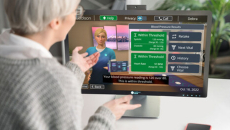
Designed to provide affordable health monitoring and wellness support at home, the virtual assistant could help providers increase treatment adherence rates and improve health outcomes for aging and chronically ill patients.

Translational Research Institute for Space Health Chief Innovation Officer James Hury discusses collaboration and partnership opportunities, and highlights the group's programs that are most relevant to HIMSS members.
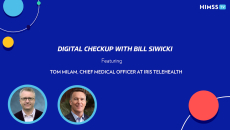
Amidst a nationwide psychiatrist shortage, hospitals are turning to telemedicine as demand for behavioral health services mounts. Dr. Tom Milam, chief medical officer at Iris Telehealth, offers perspective.

The FCC established the Affordable Connectivity Program in December 2021 to provide access and subsidized computing devices. It's free to enroll in ACP, but too few people are taking advantage.

When is a virtual nurse needed? What are the skill sets required? What outcomes are hospitals seeing with virtual nursing? Lisbeth Votruba, RN, chief clinical officer at AvaSure, offers perspective.

Anna Lindow, cofounder and CEO of telemental health provider Brave Health, discusses how the company will use its new $40 million in Series C funding.

Virtual care has a big role to play in enabling better mental and behavioral health. Dr. Holly Dubois, chief clinical officer at Mindstrong, offers a look at a special telemedicine program designed to prevent suicide among veterans.