Privacy & Security

The FDA has posted pre- and post-market cyber guidelines for medical devices to eliminate confusion around security, says MITRE Senior Principal Cybersecurity Engineer Margie Zuk.

At MEDinIsrael in Tel Aviv, Cynerio CEO Leon Lerman shares how his company keeps medical devices and hospital networks safe from cyberattacks.
With telemedicine evolving, efforts are underway to provide medical care to refugees in camps using a cloud-based electronic health record built on blockchain, says Brian de Francesca, CEO of Ver2 Digital Medicine.
Buyers of technology such as hospitals have power so their demands for more secure products will be heard by manufacturers, says Parham Eftekhari, executive director of the Institute for Critical Infrastructure Technology.
Nathan Wenzler, senior director of cybersecurity at Moss Adams, says the idea that AI needs no management simply isn’t true and, instead, smart people must be involved to make decisions about the data and findings.
Angelique Carson, editor of The Privacy Advisor at IAPP, says that despite the moaning and groaning leading up to the General Data Protection Regulation, now that it's in place EU citizens are better protected.
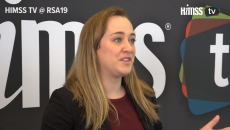
Maggie Brunner, program director of Cybersecurity, Emergency Communications & Technology with the National Governors Association, discusses trends in state security, compliance and strategies.

Jason Johnson, information security officer at Marin General Hospital and HIMSS Northern California Chapter president-elect, explains the importance of a security leader keeping the faith of users.
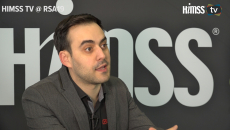
Users are no longer the weakest link in the security chain, claims Adrien Gendre, chief solutions architect at Vade Secure, who discusses the biggest threats to email security and AI-originated phishing attacks.
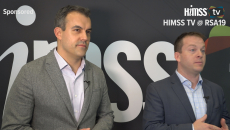
There are unique security challenges of the healthcare industry, including a skills shortage and regulatory landscape, according to Mimecast’s Josh Douglas and Dino DiMarino, who share how to meet those challenges.