Medical Devices

Analytics
Feeding data directly from a medical device into medical records has reduced errors, improved patient safety and increased caregiver efficiency.

Most medical things exhibited at CES 2017 are connected devices with apps that collect, analyze, and feedback data and information to users (patients, consumers, caregivers) and health/care providers (physicians, nurses, care coaches, and others who support people in self-care).

(SPONSORED) Jeff R. Livingstone, global lead, life sciences & healthcare at Unisys, says not enough attention is paid to the security of medical devices, which, thanks to the increasing interconnectedness of the Intenet of Things, represent a dangerous front for cyberattacks.

At the start of 2016, the current installed base of wearable activity tracking devices was just over 33 million in the U.S.
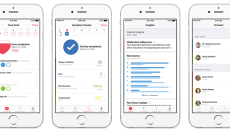
"We believe that mobile devices such as iPhones will become the predominant means by which patients interact with BIDMC," says Beth Israel Deaconess Medical Center CIO John Halamka, MD. "Your phone will be the repository of your medical record."
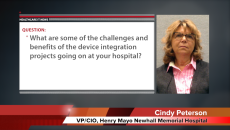
Cindy Peterson, VP/CIO at Henry Mayo Newhall Memorial Hospital in Valencia, California, talks about device integration, data security and meaningful use.

Bert Zimmerli, EVP and CFO at Intermountain Healthcare, discusses the future of revenue cycle management in healthcare, especially in the context of connected health.
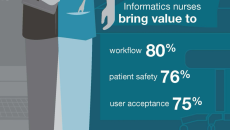
Joyce Sensmeier, Vice President of Informatics at HIMSS, discusses the important role of nursing informatics in healthcare delivery and the results of the 2015 HIMSS Impact of the Informatics Nurse Survey.

John R. Zaleski, PhD, CPHIMS, discusses his book, Connected Medical Devices: Integrating Patient Care Data in Healthcare Systems, a new title available in the HIMSS Bookstore.