Medical Devices
The use of mobile and IoT devices will bring better healthcare delivery to the edge of networks as 5G becomes more prolific in the coming years, says Cradlepoint CSO Todd Kelly.

Livongo Chairman Glen Tullman discusses how the startup is using tech, data science and people to give patients devices and information that make their lives easier, not harder.

The FDA has posted pre- and post-market cyber guidelines for medical devices to eliminate confusion around security, says MITRE Senior Principal Cybersecurity Engineer Margie Zuk.

11Health puts intelligence and sensors into medical bags attached to patients living with long-term conditions to remotely monitor those patients, says founder and CEO Michael Seres.

One of the challenges with patient-generated data is figuring out how to use it for predicting future health events, says Mayo Clinic Medical Informaticist Dr. Karl Poterack.

At MEDinIsrael in Tel Aviv, Cynerio CEO Leon Lerman shares how his company keeps medical devices and hospital networks safe from cyberattacks.

Amir Inditzky, CEO of dayzz, talks about lessons learned from his company’s sleep app at MEDinIsrael 2019.

Cisco Systems is taking on the challenge of linking the enormous amount of data generated by EMRs as well as consumer and enterprise devices in the same clinical space, says Brendan Lovelock, health practice lead at Cisco.
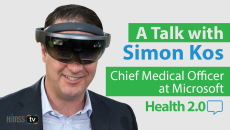
Looking to move healthcare systems out of the last century, the software giant is focusing on areas such as AI, population health, public cloud, precision medicine and virtual services, says Microsoft Chief Medical Officer Simon Kos.

Security controls on devices will predictably degrade through entropy and new care models are giving rise to emerging security threats, warns Josh Mayfield, director of security strategy at Absolute.