Medical Devices

Fifty-three percent of medical devices have vulnerabilities known to cybercriminals, says Mark Bowling of ExtraHop.

NEC will be deploying a fall detection and alert system.

In the future, a private 5G network could function like today's wired network connections, according to Shibu Thomas, the health system's chief technology officer.

According to the French Ministry of Health's Louisa Stuwe, digital devices for remote patient monitoring and digital therapeutics now enjoy fast-track access and reimbursement in France. The process is comparable to Germany's DiGA.

While sharing insights on the medical device industry in China at HIMSS23, David Chen, director of business development for Shine Technology, stresses the importance of partnering to further new technologies.

AT&T's annual industry insights report revealed a shift in focus from consumer virtual care in 2022 to richer budgeting for tele-emergency medical services.

The company told the American Diabetes Association that the metabolic monitor could reduce down-the-line healthcare costs for T2 non-insulin users and others. "These trends have to change," says CEO Kevin Sayer.

Medtronic has released an update for a cybersecurity vulnerability that an unauthorized user could exploit to steal, delete or modify cardiac device data or to gain network access.
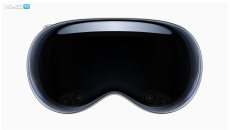
The newly released Apple Vision Pro augmented reality headset has potential in medicine, including how its eye-tracking technology could affect a surgeon's performance, says Sam Glassenberg, founder and CEO of Level Ex.
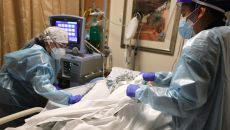
Applying the AI model could improve the speed to care for critically ill patients by almost two days, resulting in better patient outcomes and shorter hospital stays, say USC researchers in a new study.