Government & Policy

The European Health Data Space, hopes for a Senate telehealth bill passage, public health infrastructure modernization and more are all on the group's agenda, says Tom Leary, HIMSS senior VP and head of government relations.
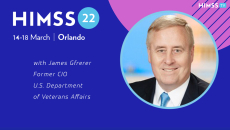
Digital innovation and policy changes at the U.S. Department of Veterans Affairs are improving access to healthcare for veterans and their families, says Jim Gfrerer, former CIO at the VA, who shares some predictions about the future of healthcare.
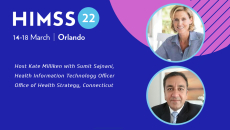
Improving healthcare access requires data initiatives that allow agencies and providers across states to build a holistic view of a patient's needs, says Sumit Sajnani, health information technology officer for Connecticut's Office of Health Strategy.
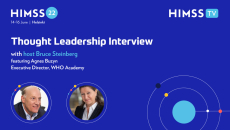
HIMSS22 Europe
A new WHO Academy digital learning center will offer 100 programs and blended formats to healthcare workers, policymakers and the public by 2024. Agnes Buzyn, WHO Academy executive director, shares details.
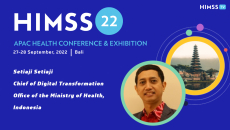
What are the three main digital transformation priorities for the nation's health system? Setiaji Setiaji, chief of the Digital Transformation Office in the Indonesia Ministry of Health, explains.

NGITS are versatile, adaptable infrastructures and engineering/operations that can incorporate new mission-advancing technologies and business processes into the enterprise as they emerge in a thoughtful, integrated way.

Oklahoma Cancer Specialists and Research Institute offers a case study in selecting and implementing information technology for the Radiation Oncology Alternative Payment Model.

Uma Ahluwalia, managing principal at Health Management Associates, says that local and state governments are key to implementing effective policies for maternal and infant health.

With the door now opened for medical data to be weaponized, HIPAA protections are insufficient for current times.

Brynn Cole, Director of Design and Storytelling for the U.S. Department of Veterans Affairs, explains a new program intended to serve modern veterans and their families through an understanding of the unique contexts of their lives and healthcare needs.