Government & Policy

The collaboration will see five of the biggest health data exchanges in the U.S. working with the planned Qualified Health Information Network on the interoperability framework.
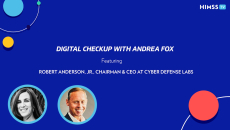
Federal policies and technologies can help with risk mitigations, says Robert Anderson, Jr., CEO of Cyber Defense Labs, who discusses those resources. He also sizes up the value of cyberinsurance as ransom payments get more frequent.

The government relations team at HIMSS offers some insights on what's next for telehealth, broadband expansion, interoperability rules and more in the year ahead.

While acknowledging that securing access to data is a shared goal, the HIMSS Electronic Health Record Association suggests ONC's interoperability framework does not consider existing controls, or certain business standards and workflows.

Also, the Victorian government is providing new medical equipment and upgrades to 23 health services.

The agency says bad actors are sending infected files disguised to look like medical documents and requesting medical appointments. Telemedicine increases the likelihood that malicious images and information would be reviewed ahead of telehealth visits.
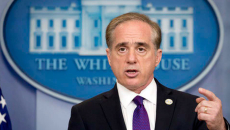
Former VA Secretary Dr. David Shulkin discusses how his experiences in healthcare shaped his digital health platform for chronic pain patients

The results provide evidence that Medicaid expansion is beneficial for the health of those who have just given birth.

States reported high utilization of behavioral telehealth services across all or most populations served by Medicaid. Many reported permanent adoption of pandemic-era telehealth policy expansions.

Leaders from Samsung Medical Center describe how the South Korean government has been collaborating with hospitals like theirs to build data-driven and research-centered institutions that deliver excellent care.