Government & Policy

The apparent reduction comes as New Zealand zeroes in on frontline health services.
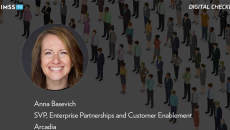
Anna Basevich, SVP of enterprise partnerships and customer enablement at Arcadia, explains how MA plans will need to measure performance ahead of 2027 when CMS will start rewarding plans that demonstrate progress in addressing health disparities.

The Veterans Affairs Office of Information and Technology finds artificial intelligence-driven clinical documentation is helping to solve physician burnout, but the value for benefits administration is yet to be determined.

HIMSS24 Europe
While he praises the EU's data protection regulations, Eric Sutherland, senior health economist at the OECD, believes policies and standards must "harmonize" to ensure that public health organizations can access health data as needed.

HIMSS24 Europe
Gözde Susuzlu Briggs, programme manager for the European Patients' Forum, discusses the "Data Saves Lives" initiative, which explains digital data and AI concepts to patients and encourages involvement in patient advocacy organizations.

It can serve a "translator" to help policymakers and clinicians understand technical products and bridge the communication gap between those groups and company engineers, says Jessica Skopac, division chief engineer at MITRE.

The government of the Netherlands is interested in how Europe and the U.S. are addressing their diverse populations' needs with healthcare legislation, says Abigail Norville, deputy secretary general of its Ministry of Health, Welfare and Sport.

The agency seeks to remove policy barriers, giving military patients and clinicians access to the same technologies available in civilian healthcare, says Naomi Escoffery, Chief Accelerator Officer at the Defense Health Agency.

Developing AI policy needs to mitigate risk without stifling innovation, much like the early days of EHRs, says Patricia MacTaggart, program director and teaching instructor at George Washington University and 2024 Changemaker Award recipient.