Clinical
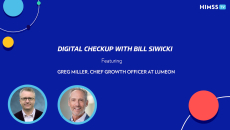
Greg Miller, chief growth officer at health IT vendor Lumeon, says manual methods for coordinating, verifying and advancing steps in a patient's clinical journey are leading to burnout for providers.
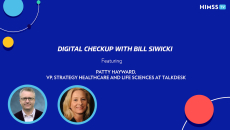
Patty Hayward, VP of industry strategy for healthcare and life sciences at Talkdesk, unpacks the results of a recent report, which finds providers struggling with integration of patient-facing tools.

Anita Allen, professor of law and philosophy at the University of Pennsylvania, says "data sharing is the new health ethic," in a preview of her keynote address at the HIMSS Healthcare Cybersecurity Forum.
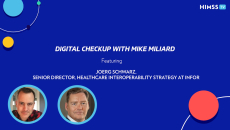
There are still a lot of misconceptions about the ONC rule and its requirements, says Joerg Schwarz, senior director for healthcare interoperability strategy at Infor, who offers some tips for provider organizations.

While understanding and reconciling drugs after discharge from the hospital can be challenging, it's a necessity for greater efficacy of care delivery. HL7's Da Vinci project can help.
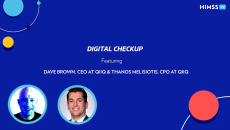
Artificial intelligence can help relieve clinicians' administrative burden so they can devote more time to direct patient care, say Dave Brown and Thanos Melitsiotis of QiiQ.
Its causes are multifactorial, but feeling undervalued and disrespected are two big factors, says Dean Browell, chief behavioral officer at Feedback, who explains how healthcare organizations can attract and retain experienced doctors and nurses.
Electronic authorization can be a boon for hospitals and group practices in more ways than one, says Kristina Hutson, senior director of product development at Availity.

Ensuring medication history data, prescription fill insights and other information is scaled to specific populations can lead to better patient outcomes, says Dr. Colin Banas, chief medical officer at health IT company DrFirst.

The collaboration aims to find, build and scale digital health companies that focus on children, says Brenda Schmidt, head of enterprise growth at Redesign Health.