Artificial Intelligence

Many med students fear artificial intelligence, studies show. One physician AI expert explains how the technology can assist, not replace, doctors working in pathology, diagnostic radiology and anesthesiology.

The deal creates a $1 billion company focused on AI-powered hospital operations, helping clients address capacity management and healthcare staffing shortages.

With its spinoff now complete, it's hired the machine learning expert – who has leadership experience in the private sector, at Amazon and in government at the FDA – to help develop new approaches to analytics and personalized care.
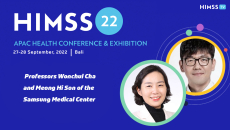
Leaders from Samsung Medical Center describe how the South Korean government has been collaborating with hospitals like theirs to build data-driven and research-centered institutions that deliver excellent care.

Regulatory difficulties, workforce shortages, financial pressures, evolving patient expectations, an aging population and more will combine to make the next year uniquely challenging, say tech company CEOs, but they're challenges that can be met.

The Translational Research Institute for Space Health and its partners have big plans in the coming years, says Director and Chief Innovation Officer James Hury, who shares what excites him about new avenues in space flight.

SPONSORED
 |
01:00 am |
January 03, 2023
|
01:00 am |
January 03, 2023
|
01:00 am |
January 03, 2023
Clinician burnout is a worldwide concern, leading to lost productivity and increased costs. As technology evolves, the use of AI, paperless documentation, and automation tools can have a positive impact on healthcare systems.

Grace Chang, cofounder and CEO of Kintsugi, explains how clinicians can identify signs of clinical depression and anxiety in everyday health conversations with the use of voice biomarker technology and machine learning assessments.

Greg Miller, chief growth officer at health IT vendor Lumeon, says manual methods for coordinating, verifying and advancing steps in a patient's clinical journey are leading to burnout for providers.
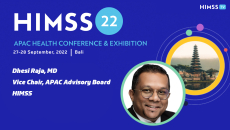
To fully realize the benefits of AI in healthcare, it is important for hospitals to pursue systemic changes, with pop health management as an end goal, says Dr. Dhesi Raja, vice chair of the Board of Advisory at HIMSS Asia-Pacific.