Artificial Intelligence

"Nurses cannot be everywhere at once," says one expert in video monitoring, who sees promise in "watching AI" helping overworked RNs track patterns in hospital patients over longer periods of time to gain insights into their health trajectory.
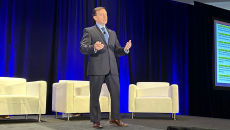
At the HIMSS Healthcare Cybersecurity Forum, AHA cyber risk advisor John Riggi said health systems need to prepare now for clinical and operational contingencies as high-impact ransomware attacks increase.

SPONSORED
 |
10:59 am |
September 07, 2023
|
10:59 am |
September 07, 2023
|
10:59 am |
September 07, 2023
Going forward, healthcare needs to be predictive, preventative, personalized and participatory – and technology can meet those goals.
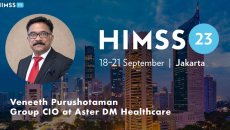
Health systems today are looking at deploying emerging technologies like the metaverse and ChatGPT, but putting them to good use may be challenging, says Aster DM Healthcare Group CIO Veneeth Purushotaman.

"It remains a challenge to translate increased awareness into effective cybersecurity strategies that protect people and data," said a Proofpoint leader about new research comparing the POVs board directors and CISOs.

It aims to build the largest connected care ecosystem in the country.

HIMSS23 APAC
Healthcare IT News’ APAC Managing Editor weighs in on the sessions he's looking forward to at the HIMSS APAC conference this year.

Ryan Sousa, vice president of data and analytics/AI at Pivot Point Consulting, discusses what the data problem heralds for the future of HIT, and talks AI and the right to health.

John Riggi, national advisor for cybersecurity and risk at the American Hospital Association, sees a fraught cyber threat landscape that's being transformed by artificial intelligence. He previews his keynote at the HIMSS Healthcare Cybersecurity Forum.

IT leaders need to take a step back and ensure they are truly prepared to use large language models, says one computer scientist who offers detailed deployment advice.