News

Success Stories & ROI
The health system has seen big improvements in how it engages, retains and serves its consumers, including more than 200,000 re-engaged patients, full-funnel visibility into campaign performance, and more precise, preference-based outreach.

The new hub for aligning artificial intelligence tech with ethical frameworks already has several key initiatives underway, including partnerships to combat healthcare fraud and develop deployment guides for safe use of clinical AI.

In a panel discussion, experts emphasized that AI must align with clinical workflows, reduce cognitive load, and support – not replace – clinicians.

In a panel discussion, IT professionals and health system executives discussed the challenges of implementing AI across diverse healthcare settings.
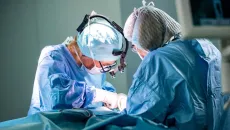
Artificial intelligence that detects surgical site infections from patient-submitted photos with 73% accuracy could enhance patient care and also reduce clinician burdens following surgeries.

Dr. Matt Crowson, the genAI expert at Wolters Kluwer Health, dives into the company's new survey of caregivers and execs on the technology and explains where hospitals and health systems need to do the work of getting it up and running properly.

American Hospital Association data shows hospitals are using automated processes for public health reporting for immunizations, syndromic data and lab results – but it's not always easy.

The burden then shifts to hospitals, which puts clinicians in a tough spot, relying on AI that might not generalize, with no real way to track performance or course correct – that's an unacceptable blind spot, says one healthcare AI governance expert.

While 17,000 federal workers have already lost their jobs at the Department of Veterans Affairs, "a department-wide RIF is off the table," says Veterans Affairs Secretary Doug Collins. "But that doesn’t mean we’re done improving VA."

In buying the real-time monitoring and patient engagement platform to unify disparate sources of health information, Samsung Electronics says data flowing from wearables could help improve clinical insights and prevent patient care delays.