News

Some of the healthcare organizations that could most benefit from artificial intelligence don't have the resources to take advantage of it. At HIMSS26, ideas were explored to help level the playing field for community and critical access hospitals.

AI implementation is expensive and necessary, but that’s where the agreement ends.
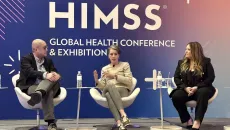
During a discussion at HIMSS26, panelists described the collaborative approach to designing healthcare spaces with real impact.
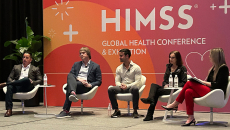
Some providers are still in the very early stages. Others are spending big on shiny objects. Still others are well off to the races, with mature deployments enabling robust ROI. Where are we in the AI hype cycle? It depends, said panelists at HIMSS26.
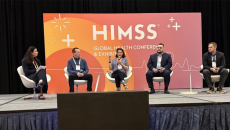
Hospital preparedness programs are craving cyber components. At HIMSS26, a panel dispelled some of the confusion over resource sharing programs and explained how to get involved in coalitions.

To do more than survive the headwinds, reposition the organization to reach the goal, Banks told the crowd at HIMSS26.

Rethinking how data is used is essential for health systems as they face workforce shortages and an aging population.
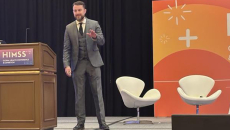
Lessons from a LockBit ransomware attack can keep healthcare organizations running when faced with a cyberattack, said Zachary Lewis, CIO and CISO at University of Health Sciences and Pharmacy, in his HIMSS26 Cyber Forum keynote.

At the HIMSS26 AI in Healthcare Forum, MGB's chief information and digital officer described strategies for governance, safety and sustainability as it strives to integrate artificial intelligence across all corners of the health system.

One system uses spoken information to auto-queue structured prescription orders directly into the EHR for clinician review and approval. The other enables pharmacists to quickly identify medication orders that warrant closer review.