Analytics

The Indiana health system has seen an 86% drop in time to complete notes, with after-hours documentation time plunging by 34%. And documentation turnaround has improved by 87%. Says one provider: "I was sold after just one patient. It was such a relief."

The University of Toledo is building and piloting AI models to assist in clinical decision support and to accurately answer patients' and clinicians' questions. Dr. R. Ryan Sadeghian, CMIO and a pediatrician, explains.
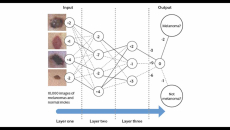
These networks started impacting healthcare in the last 20 years, but it's only today that reliable prospective studies are convincing clinicians to use these artificial intelligence tools in their daily work. A Mayo Clinic researcher offers some insights into their applications and use.

The HIMSS Global Health Conference Education Committee consults attendee feedback and tracks emerging trends to plan its yearly global conference sessions. Committee Chair Michele Krajewski offers a peek inside.
They're used to forecast the longitudinal behavior of trial participants – and by predicting individuals' likely response to a drug, can improve data quality and shorten trial timelines, says Unlearn CEO Steven Herne.

Automated functionalities and analytic tools are soon coming to EMC Healthcare's EMR system.
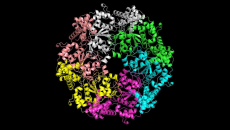
Juan Lavista Ferres, CVP and chief data scientist at Microsoft's AI for Good Lab, and Meghana Kshirsagar, senior research scientist, discuss their research on protein symmetry.

The Montreal health system is focused on helping its leaders drive care transformation and giving them the tools to do so. Access to data is essential, and self-service analytics are key to that goal.

The nation has maintained longitudinal electronic health records for patients since the 1990s, says Ran Balicer, chief innovation officer at Clalit Health Services – which has since enabled clinicians to leverage AI for predictive, proactive care.

Caroline Zago, healthcare informatics leader for Latin America at Philips, says the company leverages AI and machine learning to streamline workflows, make data easier for patients to understand and elevate care quality.