Analytics
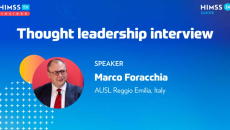
As Italy develops a national digital strategy requiring healthcare data exchange across all 20 of its regions, Marco Foracchia, AUSL Reggio Emilia CIO, recommends first steps for hospitals that haven't yet begun digital transformation.
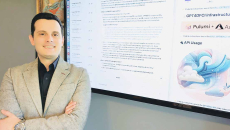
The Boston health system's director of AI operations discusses some challenges and best practices for integrating large language models into research and operational tasks while explicitly excluding direct clinical care.

Prolonged understaffing in clinical laboratories threatens to compromise patient care, but deployment of automation and artificial intelligence technologies could offer a lifeline to burned out lab workers.
SPONSORED
 |
07:53 am |
August 05, 2024
|
07:53 am |
August 05, 2024
|
07:53 am |
August 05, 2024
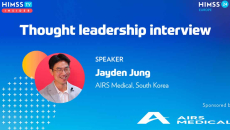
Jayden Jung, head of business development at AIRS Medical, discusses SwiftMR, the company's AI-powered product that shortens MRI scan times by an average of 40% without sacrificing image quality so hospitals can scan 30% more patients.

AI-powered radiology tools aren't yet ready to make diagnoses; they must return accurate results and save time to be truly useful to burned-out radiologists, says Dr. Benoit Desjardins, University of Pennsylvania radiology professor.

The freely-downloadable tool, called Dioptra, is designed to help artificial intelligence developers understand some unique data risks with AI models, and help them "mitigate those risks while supporting innovation," says NIST's director.
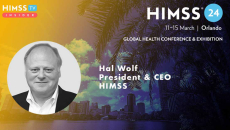
The health IT society has signed a Memorandum of Understanding with South Korea's Health Information Service that HIMSS President and CEO Hal Wolf hopes will help measure Korean hospitals' digital maturity and support their workforce development.

New insights from a recent roundtable discussion see stakeholders recognizing the need to balance the promise of artificial intelligence with "ethical considerations, patient engagement and robust regulatory frameworks.

If artificial intelligence can do good for struggling patients and help them avoid crippling medical debt, half of the Americans said they are in.
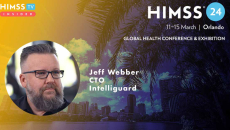
HIMSS24's Healthcare Cybersecurity Forum showed the need for vendor partners to help healthcare organizations understand and implement the NIST 2.0 framework. Jeff Webber, CTO at Intelliguard, explains.