Analytics
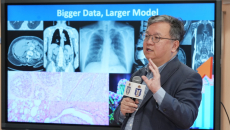
Hong Kong University of Science and Technology has recently developed four large language models, including models for cancer detection and an AI chatbot for physicians.

Also, Australia's aged care research centre has received additional funding to deploy AI.
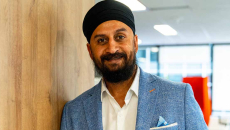
Dr. Anmol Kapoor, an expert in precision medicine and artificial intelligence, discusses AI-driven genomic analysis, blockchain in genomics, multi-omic integration, and navigating ethical and regulatory challenges of AI-enabled personalized care.
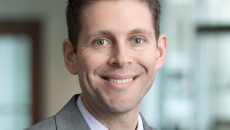
Chris Harle, a longtime clinical informatics leader who has worked as a biomedical researcher at Regenstrief and a health policy professor at Indiana University's school of public health, will helm the IT and data innovations at Regenstrief Data Services.

In discussing social determinants of health data utilization, Dr. Hilary Hatch, chief clinical officer at Phreesia, describes how analytics and patient engagement tools are streamlining workflows and helping providers respond to more patients in need.

The expectation is for a new Congress to create policy around AI and cybersecurity, says Tom Leary of HIMSS.

Dr. Tim O'Connell, physician CEO of emtelligent, offers his view of what's needed to ensure artificial intelligence can work safely, effectively and transparently in healthcare settings.
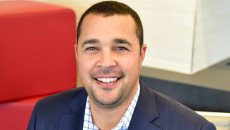
Andy Sajous, a leader in digital transformation, explains. He discusses the trade-offs of building versus buying artificial intelligence tools and describes some crucial actions CIOs should take going into 2025.
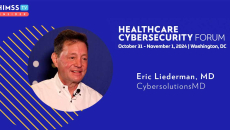
Eric Liederman, chief executive officer of CyberSolutionsMD, says developing an "all of us approach" on what to do and how to do it can help even advanced organizations protect healthcare delivery when ransomware hits or affects a nearby hospital.
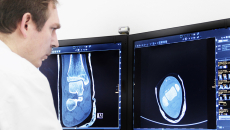
He has boasted about the accuracy of subscription-based Grok artificial intelligence for analyzing medical images, but physicians and researchers say the model's ability to diagnose medical conditions is limited, and privacy experts have concerns.