
HIMSS TV

Digital health organizations can future-proof themselves to ensure longevity and relevance years into the future. Dr. Guido Giunti, adjunct professor of digital health at the University of Oulu in Finland, explains how.

Northeast Georgia Health System has deployed real-time location service and internet of things technologies to help healthcare workers in trouble. Chris Paravate, the health system's CIO, explains.

Johns Hopkins Aramco Healthcare's Dr. Tamara Sunbul talks about leading CIO masterclasses that foster idea exchange and teach attendees through hands-on experiences so they can immediately add more value to their organizations.

Radiation oncologist Dr. Raghav Murali-Ganesh, cofounder and CEO of Osara Health, shows how tracking symptoms can help patients live 30% longer compared with those who don’t write down how they feel.

Marwan Abdulaziz Janahi, senior VP of Dubai Science Park, explains how the UAE has spent 10 years building robust IT infrastructure and security measures as it plans to eventually leverage genomics data for precision medicine.

Larry Adams, RN, a consultant aiding nurse leaders in improving operational efficiencies, shows how artificial intelligence can help combat the nursing shortage – and aid with retention, as well.

Emmanouil Tsiasiotis, project manager at Italy's ALTEMS, calls for healthcare stakeholders at all levels to join the EDiHTA initiative and help create a unified, sustainable digital health technology assessment for the entire EU.
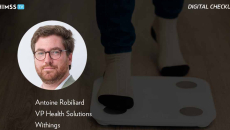
The company's digital health tools – smart scales, blood pressure monitors and other wearables – allow patients to monitor their health at home, says Antoine Robiliard, VP at Withings.

Imprivata engineering chief Joel Burleson-Davis discusses new IAM strategies, including a potential future without passwords.

Pillbot allows gastroenterologists to examine a patient's stomach virtually through a drone the patient swallows, says Torrey Smith, cofounder and CEO of Endiatx, which develops the technology.