
HIMSS TV
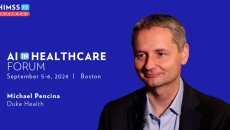
Michael Pencina, director of Duke AI Health, sees big potential but also fundamental challenges as providers try to figure out what tools to use, where and when to use them, and for what purposes.
Nana Odom, head of clinical engineering at Cleveland Clinic London, says healthcare organizations should educate all employees to understand and observe cybersecurity best practices.
Kelly Arduino, healthcare practice leader at accounting firm Wipfli, discusses $800 million in cybersecurity resources recently made available by the White House, along with new tools and services from Microsoft, designed for critical access hospitals.
Ran Balicer, CIO of Israel's Clalit Health Services, says leaders feeling pressured to adopt new AI tools should have a specific use case in mind and assess the readiness of their existing IT infrastructure and data.
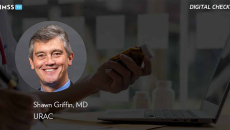
URAC is an accrediting body that covers virtual care and recognizes excellence in telehealth and health equity. Dr. Shawn Griffin, president and CEO, explains how four honorees successfully make healthcare more equitable using telehealth.
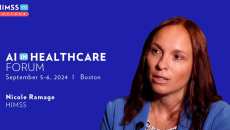
Whether a health system is in the early stage or advanced maturity affects how they view the technology, says HIMSS senior market insights manager Nicole Ramage, who highlights new research.

Dr. Saad Aldousari, hospital director at Kuwait's Sabah Al-Ahmad Urology Center, explains how the Kuwaiti Ministry of Health supports digital maturity and interoperability goals for all its hospitals.
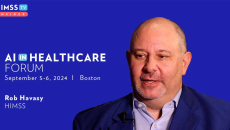
HIMSS senior director of informatics strategy Rob Havasy says that, even as it evolves at a rapid pace, the policies around AI are coming into focus, and providers are getting more comfortable integrating AI into their workflows.

Providence Chief of Virtual Care and Digital Health Dr. Eve Cunningham offers advice and best practices for using automation and ambient voice to help alleviate burden and bring joy back to medicine.
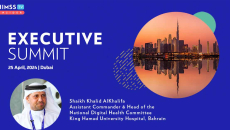
Shaikh Khalid AlKhalifa, assistant commander of Bahrain's King Hamad University Hospital, talks about how the country is working with Harvard to build a genome bank that will eventually enable treatments based on patients' genetics.