
Bill Siwicki
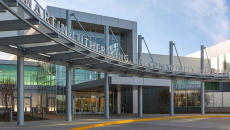
Staff already were familiar with the technology from their smartphones. So far, the health system has not had any downtime, and the technology has operated with 100% reliability.
"The industry needs to think about how EHR technology most effectively leverages data to the patient's benefit," says Amanda Hansen of AdvancedMD. "There's still work to be done."

"As healthcare providers continue to navigate and find ways to improve the telehealth experience, we have to be intentional about bringing all voices to the table," one expert says.

Project Ronin, which focuses on cancer care via RPM, shows how artificial intelligence, natural language processing and EHRs come together to aid physicians.

It has amassed more than 13 billion elements of clinical and claims data, and offers several products and services for healthcare providers and payers, state government agencies, federal government agencies, and other stakeholders.

Ann Mond Johnson, CEO of the American Telemedicine Association, offers a deep dive into a variety of telehealth topics, including the ATA's CEO Advisory Group on Using Telehealth to Eliminate Disparities and Inequities.
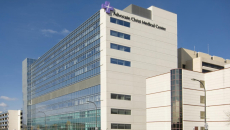
The sprawling health system recently rolled out logistics and analytics technologies to help manage its pharmacy supply chain – and has already been gaining efficiencies.

Additional benefits included an increase in satisfaction and expectations of care met, and 61% of cases are seen within 30 minutes.

Telemedicine provides the flexibility to pivot along the care journey and maintain a consistent care continuum for patients from wherever they are.

The presence of real-time location systems also can help hire new talent and improve the workplace for nurses while there is a nursing shortage, one expert says.