Bill Siwicki
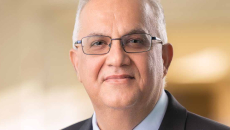
At the upcoming HIMSS AI in Healthcare Forum, Chief Information and Digital Officer Sunil Dadlani will speak to other C-suite leaders about bridging the gap between artificial intelligence-enabled security and cyber defense.

"By relying on the AI technology to convert information into discrete data elements in our Epic EHR, we have significantly reduced the amount of manual entry required by our staff," an inpatient pharmacy operations supervisor reports.

Humberto Farias of Concepta Technologies discusses his new Machine Advancement and General Intelligence Center and offers AI advice for healthcare C-suite executives and other health IT decision makers.

Remote Patient Monitoring
Erie County Medical Center Corporation's RPM initiative has been successful in "improving health outcomes and reducing the risks associated with hypertension," says its VP of population health.

Harmony Park Family Medicine also saw turnaround times decrease significantly, with more than half of monthly determinations requiring no authorization – and 70% of prior auth requests sent to Humana being approved instantly.

As more health systems merge, making smart and strategic use of datasets drawn from disparate systems is essential to clinical and operational success, says Advocate Health Chief Data Officer Tina Esposito.
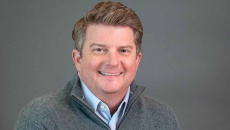
Janus Health CEO Todd Doze dispels three commonly held ideas about how OI technology works and what it can accomplish, explaining why he thinks these assumptions are untrue.
Nearly 75% of its clinicians now spend less time working outside of work hours, which has improved provider satisfaction. There's also been a reduction in documentation errors.

A CEO who specializes in this combination reveals how artificial intelligence has the ability to help analyze and summarize key virtual care consultation points, detect patterns in patient data to deliver more personalized care, and much more.

The technology enables end-to-end order and staff pool management, fulfillment, compliance, invoicing and reporting to allow for the management of all flexible labor on one unified platform.