
Bill Siwicki
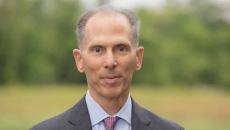
Dr. Michael S. Barr, a veteran and a healthcare consultant, explains how SBAR – Situation, Background, Assessment and Recommendation – will bring C-level health system execs onboard for strategic artificial intelligence investments.
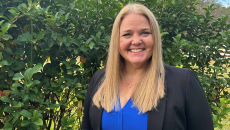
Impower therapists love the ambient listening technology, its COO reports. Artificial intelligence is helping them produce more clinically detailed notes, better comply with documentation submission and be more present with clients.
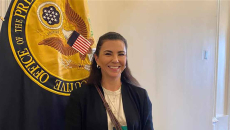
Jennifer Stoll of OCHIN will speak at HIMSS25 on deploying artificial intelligence to benefit rural health systems and medically underserved communities.
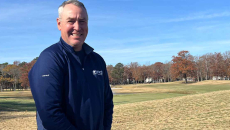
While medication adherence is a cornerstone of value-based care, it depends on the right team, tools and targeted patient engagement to be effective, says one chief medical officer.

Using artificial intelligence in radiology for the first time can be daunting, says one AI and imaging expert in a preview of his HIMSS25 session, but the advantages are substantial.

For complete emergency telehealth services with multiple specialties for 365 days, Chase County Community Hospital pays the equivalent of having one backup physician by phone for approximately 45 to 60 days.
Alda Mizaku says the health system also is using artificial intelligence to boost predictive analytics efforts, among other use cases. And she offers advice to peers looking to become healthcare Chief AI Officers.

PwC U.S. Health Services Advisory Leader Thom Bales discusses advancements in care delivery helping alleviate inflationary pressures, the role of digital health in addressing healthcare's major challenges, and much more.
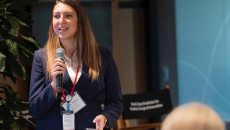
Alda Mizaku, chief data and artificial intelligence officer at the DC-based hospital, explains what skills are needed for this emerging C-suite position, and explains why an enterprise AI leader must be able to talk with anyone in any department.
The St. Louis pediatric hospital has fully integrated its in-house behavioral health team with vendor tele-psychiatrists – including in its Epic EHR. The percentage of new patients scheduled within 14 days has jumped from 14% to more than 60%.