Precision Medicine


The FHIR-enabled platform supports provider tools that integrate algorithms and machine learning to improve patient diagnoses.
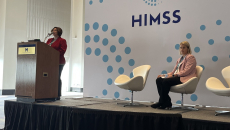

Sonya Makhni, medical director of the Mayo Clinic Platform, discusses a model that brings the disparate pieces of a fractured healthcare ecosystem together in her keynote at the HIMSS23 ML and AI Forum.

With quantum computing now a reality, and poised to turbocharge machine learning and precision medicine across healthcare, one expert who's speaking at HIMSS23 says it's time to prepare.
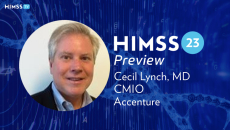
In a preview of his HIMSS23 presentation, Dr. Cecil Lynch, chief medical information officer at Accenture, describes the current role of genomics in healthcare and discusses how to ensure innovations are more widely used to ensure value-based care.

The new Quantum System One platform, part of a 10 year advanced computing collaboration first announced in 2021, will help accelerate precision medicine research and drug development for an array of medical conditions.
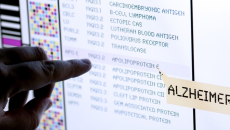
The agency says the current policies, guidelines and controls for the cybersecurity and privacy of genomic data are inadequate and asks the public to comment on proposed use cases and protections.
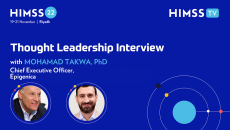
The technology offers opportunities for care delivery and drug development, says Mohamad Takwa, CEO of Epigenica, a Swedish company that focuses on epigenetic profiling.

With the first cohort of patients onboarded for the RPM program, the center aims to achieve greater treatment compliance and drive oncology innovation with connected medical devices, a patient app and an integrated cloud-based clinician portal.