Medical Devices

Also, seven public medical centres in India will try out drone delivery of life-saving medicines and transfer of blood samples.
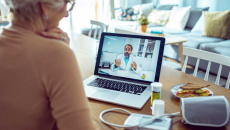
ECRI, the patient safety organization, has published its annual list of the 10 health technology hazards it's watching in 2024.
WHY IT MATTERS
As part of its safety-focused mission, the nonprofit ECRI conducts independent evaluations of medical devices – and potential risks related to at-home use of devices, by patients and their caregivers alike, top this year's edition of the list.
"Evidence shows that more people are receiving medical care at home as the U.S. population ages and the number of adults living with chronic conditions increases," said ECRI researchers in announcing the results of their 2024 report. "As a result, medical devices such as infusion pumps and ventilators are now being used in the home, sometimes by caregivers and patients who have not been sufficiently trained."
The researchers say they've seen many instances of patient harm from untrained or improper use of at-home devices.
"Medication errors can occur when changing infusion pumps. Skin injuries can occur when the electrodes from a cardiac monitor are applied incorrectly. Fatalities can occur if a home ventilator alarm fails to activate or goes unheard, or if the venous needle becomes dislodged during use of a hemodialysis machine."
As more and more hospitals and health systems embrace and expand various remote monitoring and hospital-at-home initiatives, delivering care and managing health conditions where patients live, those concerns become more salient.
This is the 17th edition of ECRI's Top 10 Health Technology Hazards report, which is meant to spotlight risks that healthcare providers and device manufacturers should be aware of as they develop and deploy new tools and systems that could impact patient safety.
This year's Top 10 list, in order:
Usability challenges with medical devices in the home.
Insufficient cleaning instructions for medical devices.
Drug compounding without technology safeguards.
Environmental harm from patient care.
Insufficient governance of AI in medical technologies.
Ransomware as a critical threat to the healthcare sector.
Burns from single-foil electrosurgical electrodes.
Damaged infusion pumps risk medication errors.
Defects in implantable orthopedic products.
Web analytics software and the misuse of patient data.
THE LARGER TREND
In addition to its work with medical devices, ECRI has worked with other groups, such as the EHR Association, on safety issues related to behavioral health IT, acute care patients with mental health challenges and others.
And, of course, it has been publishing its lists of health tech hazards for many years. This isn't the first time that cyberattacks and data integrity have been highlighted by the group as key patient-safety challenges.
ON THE RECORD
"Severe harm can result from the misuse or malfunction of medical devices in the home," said Dr. Marcus Schabacker, president and CEO of ECRI in a statement. "Patients and caregivers who misinterpret device readings may feel a false sense of security. Errors may go undetected or unreported, making it difficult to identify problematic trends.
"When a medical device is designed, it's critical that human factors and the end user be considered," Schabacker added. "As more patients receive medical care outside hospitals and nursing homes, the reality of modern care settings should influence the design of devices and other supplies we need to keep patients healthy."
Mike Miliard is executive editor of Healthcare IT News
Email the writer: mike.miliard@himssmedia.com
Healthcare IT News is a HIMSS publication.
Further guidance is needed to protect patients from "sycophantic" genAI documentation outputs that influence medical decisions, and researchers are asking the FDA "to clarify its oversight before summarization becomes a part of routine patient care."
![[Left] Prashant Singh, CIO, Max Hospitals, and [Right] JP Dwivedi, CIO, Rajiv Gandhi Cancer](/sites/hitn/files/styles/230x130/public/2025-07/India_CIOs.jpg?itok=Q8YBGmGj "Portrait photos of Prashant Singh, CIO, Max Hospitals, and JP Dwivedi, CIO, Rajiv Gandhi Cancer")
Hospital CIOs share their thoughts on what it takes to champion health IT this 2024.

Also, South Korea's National Rehabilitation Center is opening up its resources to assist manufacturers in getting their rehabilitation medical devices approved.

Aside from clinical decision and diagnosis support, AI technology is also anticipated to assist with personalised treatments, clinical trials, and self health management, says Augnito founder Rustom Lawyer.

More hospitals are coming into the fold in the coming months.
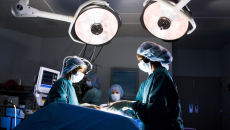
The local robotic surgery market is expected to boom as demands fly and options expand and become cheaper.

Singapore is becoming concerned about cybersecurity risks with the increasing integration of medical devices in its health system.

Also, Konkuk University Hospital is joining the latest R&D initiative in South Korea to further enhance Alzheimer's diagnosis through AI.