Innovation Pulse
Having a bimodal approach to ICT operation – one that marries a predictable evolution of products and technologies with the new and innovative – has become a necessity in healthcare.
Building the essence of an enterprise bimodal capability balances out current organisational needs, such as service and project delivery, and addresses the future needs of healthcare, according to NSW Health Hunter New England ICT Services Executive Director Chris Mitchell.
“Health ICT certainly seems to lag behind other industries in some areas, so building capability around innovation is an important agenda item,” Mitchell said.
“Top-down innovation is rare; it really needs to come from the front lines – the people actually doing the work. It’s about providing the processes and avenues for anyone in the organisation to have somewhere to suggest ideas, which are then reviewed and prioritised in line with organisational goals and strategies.
“In order to facilitate this, building an innovation and architecture practice within the ICT function to focus on organisational future needs can assist,” he said.
According to Mitchell, developing new models of care can deliver better outcomes and value, particularly around integrated care, ensuring that all care providers are communicating effectively with patients and each other, and placing the patient at the centre of clinical decision making.
“Disruptive innovation can impact the delivery of care for health systems, providers and consumers. For health systems, innovation should be about making things easier and more efficient. From a provider perspective, the ability to review patient data remotely, as an example, or conduct a telehealth appointment can completely change the way that a provider works,” he said.
“From a consumer point of view, online portals, mobile apps and telehealth can change the patient experience for the better.”
Mitchell said a shift in traditional funding models is moving healthcare from volume to value.
“We are now looking to pay for outcomes achieved rather than procedures performed. Traditional funding models based on the general view that any activity is worthwhile and should be funded is changing to a more value driven approach – doing the right thing at the right time and minimising wastage.”
And budgets, funding and societal expectations is driving this change, he added.
“Continuing with a volume-based approach will ultimately end in poorer patient outcomes as well as an unsustainable budget trajectory. We must be focused on doing things better and more efficiently,” he said.
LEADING THE FRONT
NSW Health Hunter New England has been leading the front by driving innovation in a number of ways.
Mitchell said it is moving to more value-based care models by understanding challenges that its senior clinicians and managers face.
“We have a view of moving from volume to value and assessed some of our legacy activities. One of the takeaways from an ICT perspective was reviewing our EMR system order templates to remove unnecessary tests, and potentially, add system notifications that alerts the ordering provider about expensive pathology tests where the outcomes are rarely reviewed,” he said.
“Further to this, we continue to roll out electronic clinical systems with around 75 per cent of medication management across the district now digital and all major ICUs have implemented biomedical equipment integrated systems.
“We have also been doing some work around ereferrals, whereby primary care clinicians can refer patients into the Hunter New England hospital system electronically and directly from their practice management systems,” he added.
[Read more: Collaboration is a key part of health systems today: panel | Tech development, regulation, investment and implementation key to digital health]
But this change did not come without its own set of challenges.
“Funding is a perpetual challenge. There is always a significant investment cycle required for technology before payback becomes apparent. We also faced some difficulties around organisational change but educated staff about the opportunities around improving patient safety, engagement and outcomes.”
In order to develop and maintain a culture of innovation, Mitchell said the desire for, and platform to, change needs to be built into an organisation’s DNA.
“It’s all too easy to put together an ‘idea portal’ and dust off the hands and say “we’re doing innovation”. It’s not as simple as that,” he said.
“It is a cultural thing around leadership espousing the values of innovation and driving positive change – helping people to not be scared of change and embrace it instead. It’s difficult to achieve as the pace of change is speeding up. So, to build a future where innovation is key, we need to be building the platforms for change within our organisations.”
Mitchell will further discuss the topic of disruptive innovation for value-based healthcare during a CXO panel at the upcoming 2019 HIMSS Health 2.0 eHealth Summit in Singapore.
The 10th annual event, running May 13-15, will focus on empathy and innovation, delving into ways health systems and clinicians are using digital health tools to improve their interaction with and care of patients.

Savvy Cooperative connects innovators directly with patients so they can work together to design effective products, says founder and CEO Jen Horonjeff.
Infosec is a patient safety issue and it’s critical that customers trust you. But many health systems have been investing too little for years. It’s time for that to change.
An overwhelming majority of people want to use digital tools and data in care — on both the consumer and provider side, says PwC's US Health Services Sector Leader Gurpreet Singh.
Women from around the world gathered at a preconference event at MedInIsrael in Tel Aviv to share their experiences with healthcare and innovation. Oranit Ido, chairwoman of mHealth Women, has the recap.
Amir Inditzky, CEO of dayzz, talks about lessons learned from his company’s sleep app at MEDinIsrael 2019.
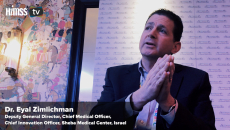
The hospital’s mission is "sustainable innovation," Dr. Eyal Zimlichman, Sheba's CIO and CMO, said at the MEDinIsrael conference in Tel Aviv.

Hospitals are deploying the tools to handle low-priority tasks like turning on the TV or closing shades so clinicians can focus on patient care, says Brian Eastwood, content strategist at ReviveHealth and a HIMSS19 Social Media Ambassador.