Clinical

Brian Smith, chief pharmacy officer at Shields Health Solutions, says provider frustration over prior authorization is real, but doesn't tell the whole story of the patient journey.

Hauora Māori Service senior ICT specialist Troy Baker shares how his team took a culturally grounded approach to implementing the Microsoft 365 Copilot.

The HIMSS Chapter Advocacy Task Force educates chapter advocates on upcoming state and federal healthcare legislation and how it may impact vendors, patients and the industry, says its chair, Lawrence Voyten.
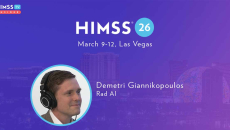
Demetri Giannikopoulos, Rad AI CIO, says policymakers need to understand artificial intelligence applications so they can create guardrails that protect patients without stifling new technology developments.

Citing concerns about patient safety risks, the state's medical licensing board asks the Utah Office of Artificial Intelligence Policy to suspend its automated prescription pilot with health AI developer Doctronic.

Emergency medicine, radiology and anesthesiology still lag the overall benchmark across multiple indicators – pointing to ongoing workflow and staffing pressures in acute care environments.

As ambient conversations unfold, physicians have access to evidence-based guidance through a new partnership between Abridge and NEJM and JAMA and ease downstream coding burdens, says Abridge Clinical Strategy Director Matt Troup.
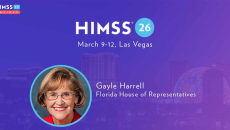
A background in managing a medical practice gave Gayle Harrell, a Florida state senator and HIMSS26 Changemaker, insights that she used to craft legislation on HITECH and e-prescribing.

Artificial intelligence is becoming so user-friendly that doctors can code custom clinical workflow tools. But AI-driven vulnerability discovery is fast reshaping cybersecurity imperatives for IT leaders.
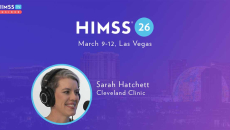
Creating a smart hospital is less about getting the latest hardware than creating a seamless longitudinal patient journey that starts before a patient's admission, says Sarah Hatchett, Cleveland Clinic CIO.