Workflow
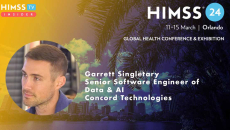
Concord Technologies' tools combine data from faxes and EHRs into HL7's C-CDA digital format for secure transmission to other healthcare organizations. Garrett Singletary, the company's senior software engineer of data and AI, explains why that matters.

Securing transportation and other needed resources for patients through text messages is one way to ensure health equity for the underserved, says Dr. Emily C. Webber, CMIO at Indiana University Health and 2024 Changemaker Award winner.

When risks of digital disruptions are high, healthcare leaders must build business continuity plans that include holistic data management and security, says Tony Black, global director of healthcare, privacy and digital transformation at Kyndryl.

To help health IT leaders address the risks associated with AI, here are some key steps to help approach digital transformation in a safe and sustainable way.

Suki AI's flagship product, in use at more than 250 health systems, prepares clinical notes and codes after each visit to give clinicians more time with patients and lower documentation. Punit Soni, CEO and founder, explains.

Project Asclepius aims to modernize meds processes that are too often still manual, say leaders from Cleveland Clinic London and other organizations working to help providers streamline their pharmacies to boost patient safety and gain cost efficiencies.

More recent developments in AI have boosted natural language processing, which will help bring the benefits of NLP to provider organizations, says Dr. Tim O'Connell, founder and CEO of emtelligent, a medical NLP company.

Forming collaborative healthcare ecosystems between health systems, insurers and IT developers helps supports the goal of delivering cost-effective preventive care, says Adam Chee, associate professor, National University of Singapore.

Hours a day in different workflows on multiple systems leads to burnout. Nicole Rogas, president of symplr, explains how the company consolidates systems and uses AI to automate workflows - leading to more time for patients.

There are limitations to current large language models for coding and identifying clinical quality measures, says Dr. Jay Anders, CMO at Medicomp Systems, who discusses the need for further model training and clinical vigilance to avoid errors.