Women In Health IT

Katie Trott at CNIO, Royal Free London NHS FT, says communicating the benefits of technology early in the process helped prepare the workforce for change and cultivate an open-minded culture.

The Shuri Network addresses the need for diversity in providing the breadth of care currently lacking, says honorary clinical tutor Ijeoma Azodo.

Emily Peters, author of "Procedure: Women Remaking Medicine," discusses female change makers in medicine, who are helping to create a better healthcare system.
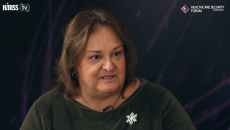
Stony Brook Medicine Chief HIPAA Privacy Officer Stephanie Musso discusses upcoming changes to HIPAA, new OCR enforcements of its right to access provision and more.

Tiatros is injecting digital mental health support into established care and rehab programs, says Mahima Muralidharan, the company's chief psychology officer.

Space health can learn from global health, says Danielle Carroll, postdoctoral scholar and orthopaedic surgeon at UCSF.

The industry is embracing consumer-friendly offerings, says Dr. Jacqueline Shreibati, former chief medical officer of AliveCor, who describes the company's mobile ECG technology.

When it comes to using citizen data to improve health outcomes, trust and security are extremely important, explains Sinikka Salo, leader of change with Finland's Permanent Secretary's Cabinet Ministry of Social Affairs and Health Government.
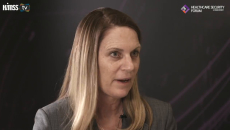
Lorraine Bessmer, senior cybersecurity analyst at St. Luke's Health System, says a lack of third-party cybersecurity standards is hampering hospital-vendor partnerships.

The health tech industry must close gaps in care, and not just cater to those who can afford the latest pricey smartphones and wearables, says Duke Clinical Research Institute's Dr. Ann Marie Navar.