Women In Health IT

Heidi Altman, associate professor at Georgia Southern University, describes how the initiative puts the focus on health disparities, access to care and the lack of rural providers.
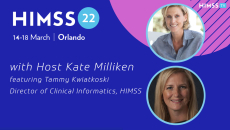
Data science helps support digital transformation and enhances the patient experience, says Tammy Kwiatkoski, director of clinical informatics at HIMSS, who discusses the importance of nurse informaticians in healthcare.
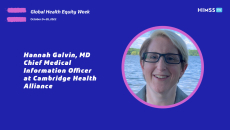
Granular data segmentation and patient-driven consent-management tools are essential when managing interoperability for population health, says Dr. Hannah Galvin, chief medical information officer at Cambridge Health Alliance.
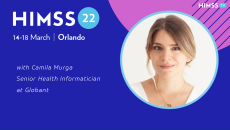
Dr. Camila Murga, senior health informatician at Globant, believes changemakers need to be at all levels in every team.
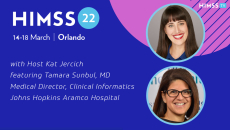
Dr. Tamara Sunbul, medical director of clinical informatics at Johns Hopkins Aramco Healthcare, discusses how to ensure technology is aligned with user requirements.
“We can’t underestimate the power of communicating and connecting with people,” according the chief information officer.

Factual health information may not get through a person’s “mental filters,” according to Denise Scannell, chief scientist of health communication at MITRE.

Yasemin Şahin, CEO and cofounder of Turboard, discusses what's ahead for business intelligence and data analytics for healthcare, and how providers can improve patient quality of life by using the company's tool.

Anjali Kataria, Mytonomy CEO and cofounder, explains how the company's novel CRM used high-quality video content to help patients learn how to manage chronic illnesses.
Mayo Clinic nursing informatics administrator Lisa Stephenson discusses the ways nursing helped meet the challenges of COVID-19 and how technology and informatics help ease nurses’ administrative burden.