Privacy & Security

Many security breaches begin with en email that allows malware enters the organization healthcare institutions begin as a result of phishing.

Penetration or pen tests are an increasingly popular way to find the access points on a network that can be exploited by hackers.

A successful cyber-security program requires a comprehensive approach.
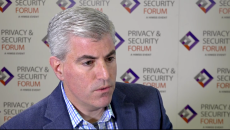
(SPONSORED) As the number of devices connected to a healthcare network continues to expand, so do the points of vulnerability. Many of these devices add new access points for malware that can threaten the overall security of the network. Isolation and containerization can be part of the solution.

By adopting best practices, IT managers can build their security strategy around a set of frameworks that have been proven to work.
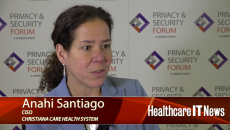
Whether it's protecting against ransomware attacks, managing insider threats, implementing device management policies or convincing the C-suite to open its purse-strings, the role of a chief information security officer is a complex one.
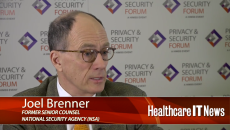
In a world where cyber criminals can exfiltrate healthcare data from the other side of the globe, health systems have their work cut out for them when it comes to protecting patient information.
(SPONSORED) Jeff R. Livingstone, global lead, life sciences & healthcare at Unisys, says not enough attention is paid to the security of medical devices, which, thanks to the increasing interconnectedness of the Intenet of Things, represent a dangerous front for cyberattacks.
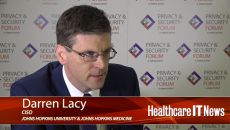
After a banner year for healthcare breaches, it's worth taking stock of where we are and what we need to do to ensure 2017 is better for cybersecurity. Darren Lacey, chief information security officer at Johns Hopkins offers his perspective on the state of the industry.

SPONSORED
 |
11:07 am |
November 30, 2016
|
11:07 am |
November 30, 2016
|
11:07 am |
November 30, 2016
As the threat landscape continues to evolve in tenacity and volume, healthcare is clearly in the crosshairs. With this in mind, it is critical for healthcare organizations to have stringent IT objectives that will ensure the protection of ePHI.