Network Infrastructure

Customer service, account management and long-term value for the investment are among the key points in developing a good vendor relationship.
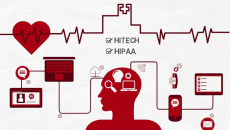
(SPONSORED) Prescription 4: Balancing Regulatory Compliance with Strategic Initiatives. Healthcare organizations rely on IT teams to carry out their strategic initiatives, such as interoperability across systems.
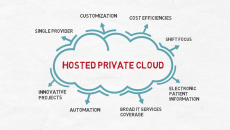
(SPONSORED) Prescription 3: Managing Complex Health IT Environments More Simply. With healthcare organizations managing hundreds of applications on myriad platforms within their enterprise, streamlining IT management is critical.

David Higginson explains how tapping into big data enabled it to reduce dosing mistakes among pediatric patients.
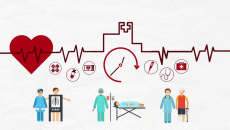
(SPONSORED) Prescription 2: Leveraging Automation to Resume Mission-Critical Applications. Following a disaster, healthcare organizations need to minimize disruption to patient care delivery by ensuring that mission-critical systems get up and running soon after a disaster.

Most medical things exhibited at CES 2017 are connected devices with apps that collect, analyze, and feedback data and information to users (patients, consumers, caregivers) and health/care providers (physicians, nurses, care coaches, and others who support people in self-care).

Penn Medicine chief information officer Mike Restuccia reflects on the year that was and glances ahead to 2017.
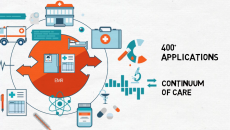
(SPONSORED) Prescription 1: Continuous Availability of All Applications Across the Care Continuum. Develop a disaster recovery plan that enables clinicians to provide patient care without disruption.

A former CIO gets a close up look of the assessment side

Chief information officer David Higginson explains how the hospital is using 3D printing for heart surgery, tumor management and sharing images with patients and their families.