HIMSS19
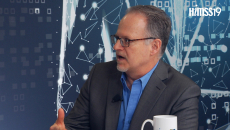
State and regional HIEs have the deep experience necessary to improve interoperability – which is about more than just moving patient data from one point to another, says John Kansky, president and CEO of the Indiana Health Information Exchange.
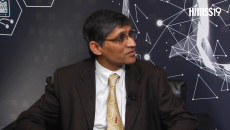
Phoenix Children's Hospital is deploying analytics for its chronic disease management program, longitudinally tracking patients with an actionable dashboard, says Chief Medical Information Officer Vinay Vaidya.
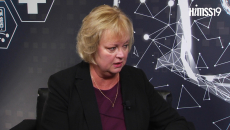
To foster a culture where patient experience is valued and prioritized, hospitals and health systems must first improve the experience for caregivers, says Sue Murphy, chief experience officer at UChicago Medicine.

New Zealand has 4.5 million people, 20 autonomous government healthcare groups, different incentives and an "interesting way of procurement" that makes it difficult for vendors, says Taranaki District Health Board CIO Steven Parrish.
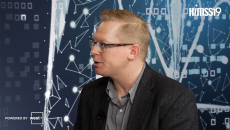
Intermountain is looking at data, prescribing habits and EHR defaults to help curtail the issue, says Dr. James Hellewell, medical director of Care Transformation Information Systems at the healthcare provider.
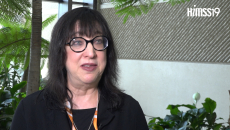
Health economist Jane Sarasohn-Kahn, however, says the industry still has miles to go before public policies align with social determinants of health.
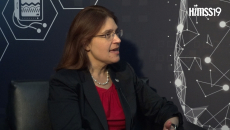
Duke University Health System Associate CMIO Genie McPeek Hinz, MD, discusses how the provider was the first to earn what it calls the "Triple 7," HIMSS Analytics' recognition for ambulatory, acute and analytics maturity.
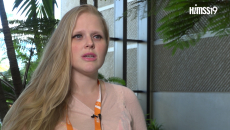
Unresolved issues of today are whether the health IT industry will be subject to more regulation and how current payment and incentive models will evolve, says Sharp Index founder Janae Sharp.

Springboard Enterprises Director Rebecca MacKinnon details how her firm helps with leadership development for female entrepreneurs.
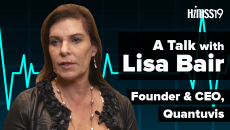
Quantuvis helps bring efficiency and analytics to negotiations between managed care and pharmaceutical companies, says CEO Lisa Bair, who also describes the healthcare opportunities for female entrepreneurs like herself.