Government & Policy

As many as 15% of 911 calls are for behavioral health emergencies. Some experts want to dispatch healthcare professionals rather than armed police officers for calls related to mental health or homelessness.

The National Telecommunications and Information Administration is funding new efforts to help counties and municipalities build high-speed broadband networks. Here's what that could mean for telehealth, as more funding enables new opportunities for care.

If a healthcare provider is out of compliance with CMS requirements, OIG says it may refer the matter to that agency.

Previously the executive director of IT operations and enterprise services at England's National Health Service Digital, Quinn has been filling the chief information officer role on a temporary basis.

After two senators wrote a letter to the retail giant expressing concerns over the potential use of private health data shared with its virtual care services, reports say the Amazon Clinic expansion to all 50 states could be delayed up to three weeks.

The U.S. Virgin Islands signs with CRISP for a data and interoperability pilot program while Ontario launches an eHub with Oracle Health and the NOLA HIE rebrands.

A big one is identifying a patient's social needs in order to provide early intervention, says Sumit Sajnani, health information technology officer at the Connecticut Office of Health Strategy.

What is the government's role in building equitable tools and solutions and ensuring policies improve access? Tom Leary, SVP and head of government relations at HIMSS, explains.
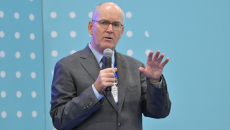
Dr. Don Rucker, now chief strategy officer with 1upHealth, weighs in on where TEFCA is headed and his fundamental concerns about veering away from the way the rest of industry computes.
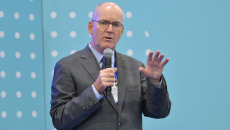
Dr. Don Rucker, now chief strategy officer with 1upHealth, makes the case for a FHIR-based TEFCA to hasten the speed of interoperability. "Let's not reinvent," he said.