Government & Policy

The Coalition for Health AI is offering its Applied Model Card artificial intelligence transparency tool on GitHub to build "the kind of trust that we need," says its CEO Dr. Brian Anderson.

Healthcare providers and IT vendors in the region have weighed in with their predictions for healthcare technology in the new year.
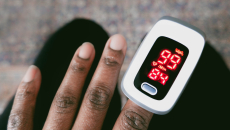
The U.S. Food and Drug Administration has published updated draft recommendations to help improve the performance of pulse oximeters across skin tones.

After resolving how it will review updates to previously approved artificial intelligence-enabled medical devices, the agency will release its full draft proposal for market submissions.

A change in administration isn’t the only thing that promises an interesting year. Editors from Healthcare IT News, Healthcare Finance News and MobiHealthNews discuss what to look for in telehealth and RPM, and emerging policies in AI and cybersecurity.

Through a recently completed multipronged red-teaming effort, the agency said it will develop repeatable testing datasets that can be used to evaluate large language model tools and services in the future.

Protected health information from Ocean State's online health and human services platform may be part of the cache of personal data posted to the dark web.

In a HIMSS25 preview, Muhammad Babar, management information systems officer for the Pakistan Ministry of Health, notes healthcare technology hurdles the ministry has faced and how it's strengthening the country's health information systems.

This past year was a busy one, with new policy changes, cybersecurity challenges, EHR optimization advancements, innovations in patient care and, yes, a whole lot of AI.

It was another record-breaking year for healthcare cyberattacks, and healthcare providers' network servers were again prime targets for hackers.