Data Warehousing

(SPONSORED) Prescription 4: Balancing Regulatory Compliance with Strategic Initiatives. Healthcare organizations rely on IT teams to carry out their strategic initiatives, such as interoperability across systems.
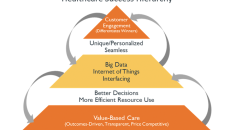
"Data is the currency of the next century," says Brian Ahier. And nowhere are health data and data management processes discussed, analyzed and examined more than at the HIMSS Annual Conference and Exhibition.
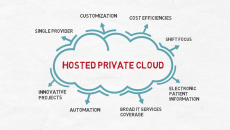
(SPONSORED) Prescription 3: Managing Complex Health IT Environments More Simply. With healthcare organizations managing hundreds of applications on myriad platforms within their enterprise, streamlining IT management is critical.

(SPONSORED) Prescription 2: Leveraging Automation to Resume Mission-Critical Applications. Following a disaster, healthcare organizations need to minimize disruption to patient care delivery by ensuring that mission-critical systems get up and running soon after a disaster.
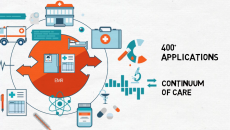
(SPONSORED) Prescription 1: Continuous Availability of All Applications Across the Care Continuum. Develop a disaster recovery plan that enables clinicians to provide patient care without disruption.

After a banner year for healthcare breaches, it's worth taking stock of where we are and what we need to do to ensure 2017 is better for cybersecurity. Darren Lacey, chief information security officer at Johns Hopkins offers his perspective on the state of the industry.

Harun Rashid, CIO of Children's Hospital of Pittsburgh of UPMC, describes how new patient engagement initiatives at his organization are helping patients, parents and care teams improve treatment plans together.

One of my all-time favorite Star Trek original series episodes is entitled "The Trouble with Tribbles.

The days of James Bond and his world-saving exploits are over. In today's reality, nation-states and their criminal partners can disrupt commerce and defenses in the free world from the safety and comfort of their computer desks.

Health organizations are often moving too quickly from EHR implementation to population health and risk-based contracts, glossing over (or skipping entirely) the crucial step of evaluating the quality of the data they're using.