Clinical

Tom O'Neil, managing director of Berkeley Research Group, says boards need to think hard about how machine learning models are approved and deployed, since big issues related to safety, efficacy and transparency are at stake.
Health systems should embrace data-driven efforts to improve nurses' workplace satisfaction, tackle root causes of burnout and enable professional development, says Professor Olga Kagan, RN, in a preview of her HIMSS23 session.

The Ellison Institute is working to create a nationwide enterprise architecture for health data that includes clinical, public health and social determinants. Gabriel Seidman, the institute's director of policy, explains.

Researchers analyzed family medicine, general internal medicine and pediatric telehealth data to learn whether virtual primary care is as effective as it is for specialty care.
Dr. Peter Bonis, CMO at Wolters Kluwer Health, discusses what was learned from donating UpToDate to middle- and low-income countries. One takeaway: Access to evidence-based clinical guidance can reduce health barriers anywhere.
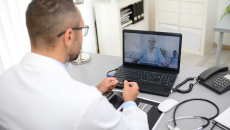
Independent study found that most patients who were not satisfied with their current treatment recommendations made changes after getting a second opinion via telehealth.

With the first cohort of patients onboarded for the RPM program, the center aims to achieve greater treatment compliance and drive oncology innovation with connected medical devices, a patient app and an integrated cloud-based clinician portal.
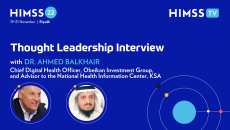
The nation is focusing on improving the output of care and quality outcomes by steering toward value-based models, says Dr. Ahmed Balkhair, chief digital health officer at Obeikan Investment Group and advisor to the National Health Information Center.

The American Telemedicine Association and its ATA Action subsidiary say requiring patients who initiated treatment by telehealth during the pandemic to visit a provider for prescriptions is overly restrictive and could cause harm.