Clinical
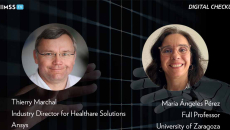
Thierry Marchal of Ansys and researcher María Angeles Pérez discuss how combining clinical data and mathematical models to create digital simulations can increase precision across specialties and expedite patient treatment.
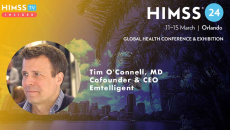
Dr. Tim O'Connell, cofounder and CEO of Emtelligent, explains how NLP can quickly surface relevant data information buried in patient charts, helping guide clinicians' treatment decisions.
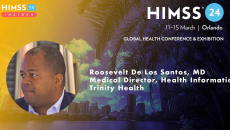
Trinity Health reaches out to patients on their preferred platform to encourage them to make needed visits. Dr. Roosevelt De Los Santos, its medical director for health informatics, describes why it works.
HIMSS24 Europe
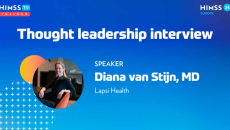
Diana van Stijn, cofounder and chief medical officer at Lapsi Health, says that, while clinicians are natural innovators, they should be taught the business side of healthcare in medical school so they can understand healthcare IT market needs.
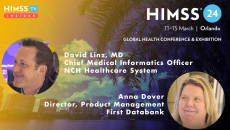
Efforts are being made to find ways to notify clinicians about possible medication errors without overloading them. First Databank director of product management Anna Dover and NCH Healthcare System CMIO Dr. David Linz explain.

CIO Craig Kwiatkowski describes some of the artificial intelligence tools in use at the Los Angeles health system – and shows how teams are employing an AI-powered primary care app to train on datasets that reflect diverse populations.
HIMSS24 Europe
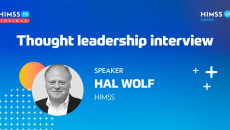
Hal Wolf, president and CEO of HIMSS, talks about what to expect at the 2024 HIMSS European Health Conference & Exhibition, including a deep dive into legislation expectations, such as the AI Act and the European Recovery and Resilience Fund.
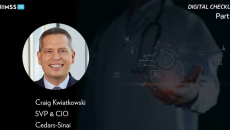
Craig Kwiatkowski is taking the FAVES approach: fair, appropriate, valid, effective and safe. He says this also helps from an adoption perspective.
HIMSS24 Europe
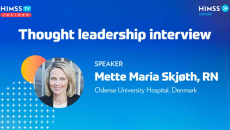
Mette Maria Skjøth, RN, department head at the Dermatology and Allergy Centre of Denmark's Odense University Hospital, discusses potential uses for AI tools, including early detection of sepsis and infectious diseases.
HIMSS24 Europe
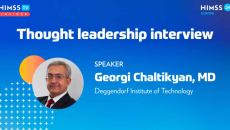
Dr Georgi Chaltikyan of Germany's Deggendorf Institute of Technology says he believes teaching healthcare staff how to use AI technologies that automate workflows would help reduce burnout and lead to better patient outcomes.