Interoperability
Health system pharmacy managers and contracting & purchasing executives got a reprieve when the Food & Drug Administration moved the deadline for compliance with the Drug Supply Chain Security Act to Nov. 1, 2015.
Critical technologies -- including the electronic health record platform -- at a health network in Missouri went black this past week, and stayed down for 20 hours.
Fair or not, Cerner's reputation in recent years has been one of increasing embrace of openness -- at least more open than Epic, with its perceived "garden-walled" ethos. That stated commitment to data liquidity probably served it well with DoD decision-makers.
Many organizations do a decent job of limiting access to data and systems for their general user population. When it comes to privileged access, however, most simply attempt to limit who has this type of access without considering some inherent risks.
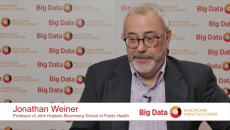
Jonathan Weiner discusses the topics of his presentation from the 2015 Big Data & Healthcare Analytics Forum in NYC: the future of EHRs and other data sources for population health.
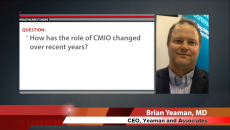
"Being adverse with physicians is something I never really expected to experience as a CMIO," said Brian Yeaman, MD, when asked about how the role has changed over the years.
Connected health infrastructure is emerging in healthcare as a binding agent for diverse devices and workflows, aiding diagnosis, monitoring and prevention, according to new analysis from Frost & Sullivan. But many providers don't even have a plan for connectivity.
In an article published online today in JAMIA, the journal of the American Medical Informatics Association, an AMIA task force takes on the thorny issues associated with the use of electronic medical record systems and offers recommendations for improvement.
A snapshot of what rose to the top of the social media buzz at the record-breaking HIMSS conference.
A two-hospital health system in Indiana is notifying its patients that their protected health information and Social Security numbers have been compromised following a phishing attack. What's more, cyberattackers were able to swipe data unchecked for more than a year.