Analytics

New research explores how artificial intelligence foundation models trained on electronic health record data can be tested to prevent threats to patient privacy and protect against re-identification of ePHI by threat actors.

While he stresses that AI won't replace doctors, surgeon and futurist Dr. Shafi Ahmed says it is already being used for imaging, documentation, digital surgery and agentic assistants to help build future-ready health systems.

Ahead of HIMSS26, Sairohith Thummarakoti of Texas A&M University–Kingsville previews his talk on how agentic AI and low-code platforms can automate routine claims and prior authorization workflows.

Responding to the Trump administration executive order that aims to supersede several state laws already setting safety guardrails, many vendors say that a unified approach is preferable to a "patchwork of conflicting policies."
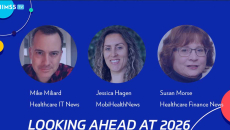
The editors of the HIMSS Media brands offer sneak peek of the year ahead: including precision medicine advances, cybersecurity challenges, policy shifts and, of course, continued evolution of AI-enabled care delivery.

Severance Hospital researchers have developed an AI platform that converts paramedic voice reports into clinical records, predicts patient deterioration, and recommends suitable transfer hospitals.

Marissa Fayer, DeepLook Medical CEO, says that true patient empowerment depends less on new technology and more on increased availability and affordability as well as culturally sensitive practices that respect patients' needs.

Pharma faces regulations and stringent rules for transparency, but the payoff is drugs that can get to market faster and possibly at less expense.

Industry voices discuss where AI will make the biggest impact in the healthcare workforce and which positions may be affected by automation.

The Emirates Health Service, according to Dr. Amina Al Jasmi, is using AI to strengthen radiologists' skills and to reduce workload by acting as a second reader that catches subtle findings humans might miss.