EMEA
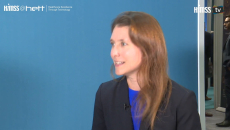
Katie Trott at CNIO, Royal Free London NHS FT, says communicating the benefits of technology early in the process helped prepare the workforce for change and cultivate an open-minded culture.
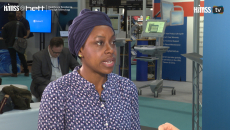
The Shuri Network addresses the need for diversity in providing the breadth of care currently lacking, says honorary clinical tutor Ijeoma Azodo.

From the rise of CCIOs to networks promoting diversity in the industry, the UK has seen a fair amount of change, writes Health Education England CIO James Freed.

Gerrit Schumann, managing director at Handelsblatt Media Group, says decentralization of decision-making and greater collaboration should be prioritized in digital transformation projects.
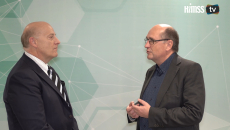
Claus Duedal Pedersen, project manager at Odense University Hospital in Denmark, says operational and clinical outcomes have been improved considerably with the effective use of technology.

When it comes to using citizen data to improve health outcomes, trust and security are extremely important, explains Sinikka Salo, leader of change with Finland's Permanent Secretary's Cabinet Ministry of Social Affairs and Health Government.

Jörg Studzinski, with HIMSS Analytics, and Jochen Messemer, with McKinsey & Company, discuss HIMSS European eHealth Survey findings, which include telemedicine's growing importance and why the Nordics and Dutch are digital health role models.
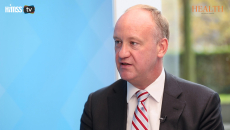
Peter Vullinghs, CEO of Philips Market DACH, says there is progress with digital health in Germany, but the digitization process needs to speed up to keep up with the rest of Europe.
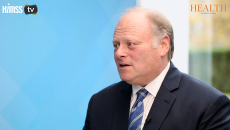
HIMSS President and CEO Hal Wolf says we must prepare our workforce for cultural change and ensure we learn to fail fast in our global digital transformation projects.

SPONSORED
 |
08:37 am |
December 04, 2019
|
08:37 am |
December 04, 2019
|
08:37 am |
December 04, 2019
Siemens Healthineers EVP of Digital Health Peter Körte says the company aims to make the lives of physicians easier by increasing their confidence in treating their patients and ultimately improve patient outcomes.