Search

The Trump Administration's artificial intelligence proposals call on Congress and federal agencies to develop risk-based approaches to health AI standards while streamlining innovation. The list of tasks for lawmakers to tackle is extensive.

The clinical data exchange company filed a motion to dismiss a lawsuit led by the electronic health record giant, dismissing the action as a "smear campaign" designed to stifle interoperability and maintain Epic's market dominance.

Related: Health Gorilla has responded to the lawsuit filed by Epic and several affiliated healthcare providers earlier this month.

OCHIN, Reid Health, Trinity Health and UMass Memorial Health join the electronic health record vendor in a new federal lawsuit alleging improper access and monetization of 300,000 patient medical records.

Responding to the Trump administration executive order that aims to supersede several state laws already setting safety guardrails, many vendors say that a unified approach is preferable to a "patchwork of conflicting policies."

Doug Meil, author of The Rise and Fall of Explorys and IBM Watson Health: A Personal Memoir of a Healthcare Moonshot that Misfired, discusses some lessons learned from that era, and offers perspective on where artificial intelligence may be headed next.

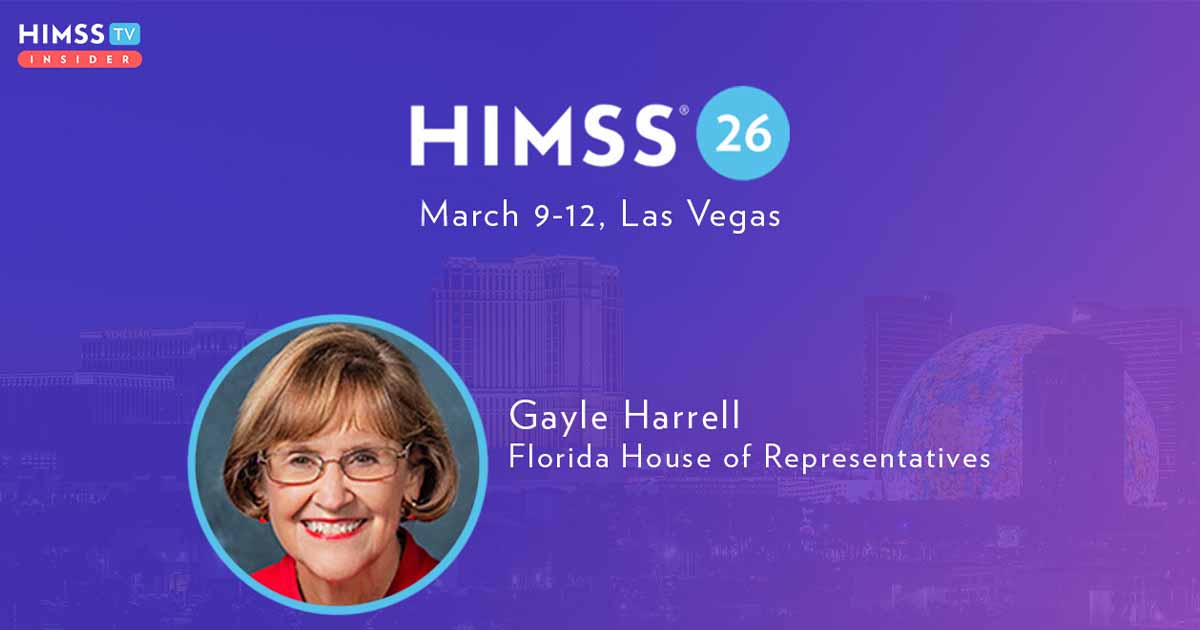
While the many dramas on Capitol Hill may make for interesting news cycles, "state government is the infrastructure of our political system." Just as states are in charge of medical licensure, many are leading the way on setting AI guardrails.

Bob Watson, CEO of Health Gorilla, explains why providers can expect interoperability enforcement under CMS and the advantages of adoption.

The qualified health information network has shrunk the time it takes for providers to access patient data from hours to seconds. Its query volume has grown from about 200,000 to more than 66 million in one year.