Nathan Eddy
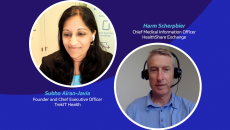
FHIR-connected apps, working in tandem with health information exchanges, can help bridge organizational and data gaps, experts said during HIMSS21 Digital.
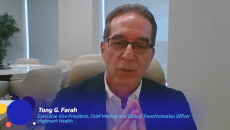
Population health efforts can be a "steep hill to climb," said leaders from Highmark and Geisinger during a recent HIMSS21 Digital presentation, but the tools exist to help ensure effective innovation.

The evolution of speech recognition will also help patients navigate the user interfaces of remote monitoring devices and personal health devices, said experts in a HIMSS21 Digital session.
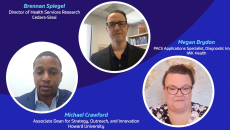
“We found VR was able to leverage and provide resources to a lot of individuals who are really feeling the burden of caring for family members and friends,” a HIMSS21 Digital speaker revealed.
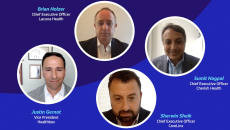
Remote care delivery becomes more important as the senior population grows, agree four health IT experts in a HIMSS21 Digital panel.
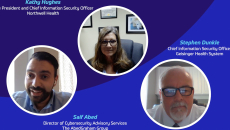
The remote work arrangements necessitated by the global pandemic have had a tremendous impact on healthcare security, said health system CISOs during HIMSS21 Digital on Wednesday.

Healthcare workers are facing a crossroads as new technologies offer opportunities for better care, but avalanches of data and consumer expectations for quicker connections are raising stress levels.
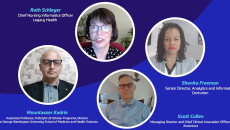
With use of telehealth taking off and data analytics a core competency area for healthcare organizations big and small, training workforces in technology will be critical going forward.
"Collaborative health" is the goal. Trust, compassion and quality digital data are how to achieve it.