
HIMSS TV
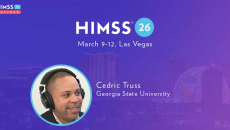
Partnerships between healthcare organizations and academic institutions can help ensure students are better prepared to enter the health IT workforce post-graduation, says Cedric Truss, Georgia State University educator and a HIMSS26 Changemaker.
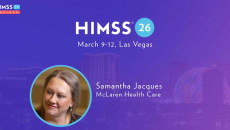
As medical devices become more complex, the roles of clinical engineers and IT professionals in safeguarding them are becoming more intertwined, says McLaren Health Care's Samantha Jacques, a HIMSS26 Changemaker Award recipient.

Data segmentation and computable consent help protect sensitive information while enabling more equitable interoperability, explains Cambridge Health Alliance's Dr. Hannah Galvin, a HIMSS26 Health Equity Changemaker Awardee.

Successful healthcare leaders can align clinical and IT teams by acting as "interpreters" between them to boost technology adoption, says Dr. Vitaly Herasevich, Mayo Clinic professor and Chapter Leader Changemaker Awardee.
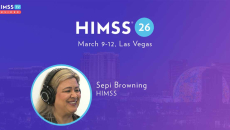
Sepi Browning, HIMSS Changemaker awardee for veterans' health, says new healthcare IT leaders should evaluate their organization's level of readiness, governance and infrastructure to determine which technologies and approaches will work best.

Getting clinicians into the digital tool design process can enhance the tools' effectiveness and reduce staff burnout, says Women in Health IT Changemaker Award recipient Hiyam Nadel of Massachusetts General Hospital.
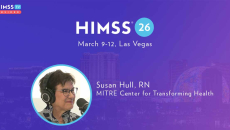
The MITRE Center for Transforming Health's Susan Hull discusses working with diverse communities for over 20 years of involvement with HIMSS to streamline clinical workflows and restore a focus on patient care.
Improvements to clinical workflows are more likely to come from clinicians who are confident with new tools than from top-down mandates, says Dr. Meong Hi Son, Samsung Medical Center CMIO, in Part 2 of our interview.
HIMSS maturity models have helped the hospital fill its IT gaps, but an engaged workforce, educated in digital tools, keeps the innovation momentum going, says Dr. Meong Hi Son in Part 1 of our interview.
Working with vendors to develop more user-friendly and secure artificial intelligence models can help prevent clinicians from using consumer AI tools at work, says Swiss Medical Network CIO Patrick Bizeau.