
HIMSS TV

Convening thought leadership and promoting maturity models that measure integration success are just two of the ways HIMSS is helping support and advance AI across the healthcare industry, said President and CEO Hal Wolf at HIMSS25 Europe.
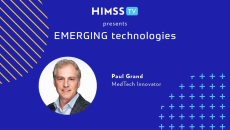
The accelerator evaluates startups for innovation and scalability and connects them with industry partners to accelerate growth and ultimately bring their offerings to market effectively. MedTech Innovator CEO Paul Grand explains.

Rahul Mahadevan founded The WiTT Group to create a platform where patients can ask for help with specific needs after he saw other patients delaying or refusing treatment because of non-clinical obstacles.
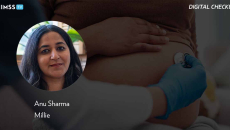
Anu Sharma, founder and CEO of the tech-enabled Millie, says that because 42% of all births in the U.S. are paid for by Medicaid, which has lower rates than other insurance, women's healthcare delivery operations are threatened.
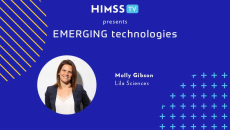
How Lila Sciences' superintelligence platform can advance scientific research, AI technology’s promise in curing diseases and the risks the company is watching out for. Molly Gibson, president of future science, explains.

Dr. Robert W. Warren, whose decades of experience include years as chief medical information officer at MUSC Health, describes paths to the top clinical IT role – and how training, continuing education and mentoring can help new CMIOs thrive.

Sheba Beyond, a virtual hospital affiliated with Israel's largest medical center, blends telemedicine with in-person visits to deliver hospital-quality care remotely. Its director general, Dr. Galia Barkai, explains.
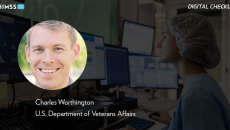
Charles Worthington, CTO and Chief AI Officer at the Department of Veteran Affairs, offers IT leaders at hospitals and health systems powerful advice for succeeding with artificial intelligence.

What began as an ONC initiative now independently supports a secure EHR-based communication network and accredits health technology, explains Kathryn Ayers Wickenhauser, DirectTrust's chief strategy officer.

With VNAs, universal viewers and patient portals, the Cleveland health system is enabling easier sharing of images with the providers and patients who need them, says Dr. David Kaelber, chief health informatics officer at MetroHealth.