
HIMSS TV
Inidus CEO Ewan Davis says that patient-centered care is important, but it's also necessary to focus on how the healthcare workforce is supported to deliver that care. Additionally, he shares his predictions and hopes for the future of the NHS.

Romanian Health Minister Sorina Pintea tells HIMSS Chief Clinical Officer Charles Alessi about digitizing primary care, plans to reform the healthcare system and the concept of a digital hospital.

Wesley Madden, Vice President of Sales Support at NantHealth, explains why AI is the ultimate tool for clinicians and shares his advice for CIOs and CTOs looking to standardize all of their data sets.
Dr. Shafi Ahmed, CMO, Medical Realities, says that providing patients with control of their data is essential and that smartphones are an indispensable tool for empowering the patient.
University Hospital Southampton NHS Foundation Trust CIO Adrian Byrne discusses his organization's route to developing an electronic patient record (EPR), which involved an integration engine and standard messaging.

With an aging population, disconnected health information systems and a rising consumer, Hal Wolf, HIMSS President and CEO, says that breaking down barriers to information exchange will support delivery of better services and technology.
Dr. Manish Kohli, HIMSS Enterprise Board Chair, discusses physician burn-out and delivering insights for better clinical decision making, adding that success will come when the technology becomes invisible while patients are in front of doctors and nurses.
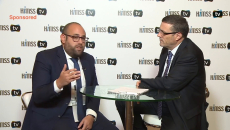
(Sponsored) Ali Slimani, Cerner's general manager of strategic partnerships for Middle East sales, says Cerner is aligned with IHI's "Quadruple Aim," which includes improving patient and clinician experience well as lowering overall cost of care.
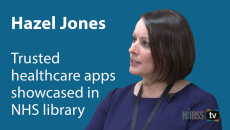
Hazel Jones, program director of Apps & Wearables at NHS Digital talks about the wide range of healthcare apps that were put through a stringent assessment process before being made available in the UK's NHS apps library.
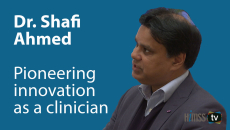
Dr. Shafi Ahmed, CMO, Medical Realities, says that clinicians can be inventors, and embrace change – as he learned at the UK's Royal London Hospital – by ensuring the patient voice remains prominent when developing innovative strategies at a leadership level.