
HIMSS TV
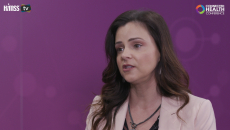
Roxie Mooney, CEO and commercial strategist at Legacy DNA, explains why involving patients early in the design and development process can make for a better product.
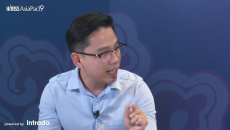
LogixLab's AI-powered diagnostic tool is helping innovate approaches to medical imaging, says Dr. Mohd Hanif Abdul Gaus, the company's director of health technology.
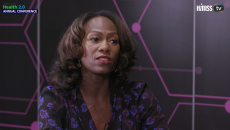
Pamela Garmon Johnson, VP of health equity and national partnerships at the American Heart Association, explains how the AHA is addressing social determinants of health, gaps in care and the health of underserved populations.
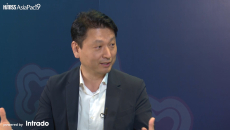
Wellysis' device can provide data to can help patients and doctors make better healthcare decisions, says co-founder and CEO Young Juhn.
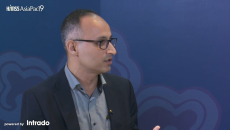
Aakash Ganju, MD, CEO of Saathealth, says consumers from all over the world are used to choice and autonomy on their phones, and there's an opportunity to apply that mindset to managing healthcare.
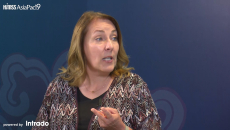
Many health systems are living with feet in both worlds, but diverse incentives will eventually force a reckoning, says Health Catalyst's Holly Rimmasch.
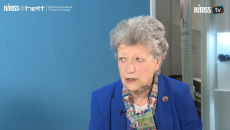
Dame Fiona Caldicott, national data guardian for health and social care in England, discusses the importance of building trust when using patient data to improve the health and care of citizens.
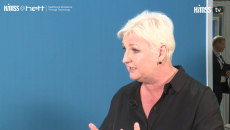
NHS Digital Chief Nurse Caron Swinscoe discusses the recent launch of the HIMSS Nursing & Midwifery Network for England.

Not only will Connected Health Conference attendees discover new technologies but they will also have opportunities to make impactful connections, says HIMSS Media VP of Content Strategy Stephen Wellman.
Erin Trimble of 23andMe discusses the value of polygenic risk scores, making genetic information actionable for better health and equipping primary care providers to talk with their patients about genetics.