HIMSS24 Europe
Learning from each other and the exchange of ideas happening in Rome during HIMSS24 Europe is "electrifying," says Hal Wolf, HIMSS president and CEO, who notes he is already looking forward to HIMSS25 in Paris.
HIMSS VP of informatics Christina Caraballo discusses use cases illustrating how the International Patient Summary and cross-border data exchange could help patients access care while traveling.
Asad Lilani, political strategy director at the Access Challenge, says the NGO recruits regional influencers and community members for its African vaccination campaigns. Their messages appear on each region's favored communications platform.

Videha Sharma, clinical innovation lead at the University of Manchester, explains the NHS’s plan to expand pharmacogenetics, or how people’s genetic codes influence the effects of drugs, beyond specialist care to general practice.
While he praises the EU's data protection regulations, Eric Sutherland, senior health economist at the OECD, believes policies and standards must "harmonize" to ensure that public health organizations can access health data as needed.
Diana van Stijn, cofounder and chief medical officer at Lapsi Health, says that, while clinicians are natural innovators, they should be taught the business side of healthcare in medical school so they can understand healthcare IT market needs.
Gözde Susuzlu Briggs, programme manager for the European Patients' Forum, discusses the "Data Saves Lives" initiative, which explains digital data and AI concepts to patients and encourages involvement in patient advocacy organizations.
Hal Wolf, president and CEO of HIMSS, talks about what to expect at the 2024 HIMSS European Health Conference & Exhibition, including a deep dive into legislation expectations, such as the AI Act and the European Recovery and Resilience Fund.
Mette Maria Skjøth, RN, department head at the Dermatology and Allergy Centre of Denmark's Odense University Hospital, discusses potential uses for AI tools, including early detection of sepsis and infectious diseases.
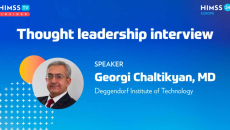
Dr Georgi Chaltikyan of Germany's Deggendorf Institute of Technology says he believes teaching healthcare staff how to use AI technologies that automate workflows would help reduce burnout and lead to better patient outcomes.